David Carter · 2 September 2026
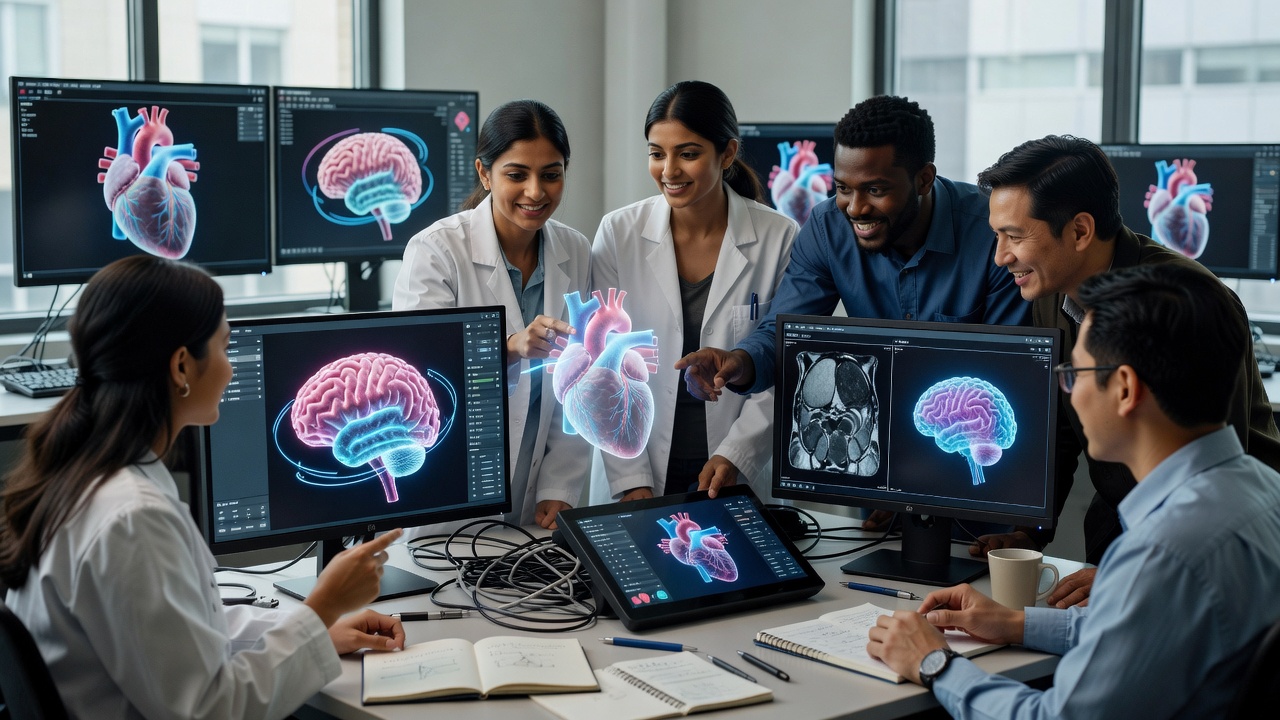
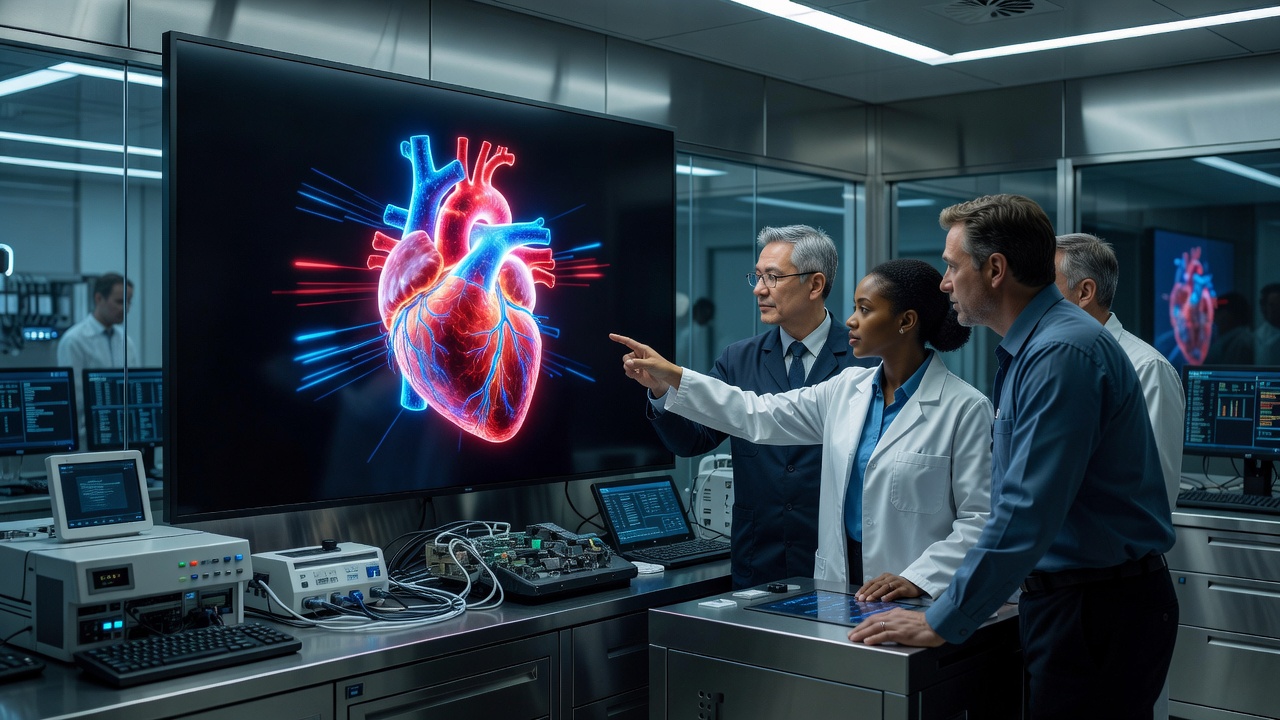
The Vividlab research team has developed a new method enabling real-time three-dimensional rendering of medical scans from CT and MRI data. The technique processes volumetric datasets instantaneously, allowing clinicians to view anatomical structures dynamically without traditional preprocessing delays. Initial benchmarks indicate frame rates exceeding sixty per second on standard hardware configurations.
Technical Foundations of the Rendering Approach
The core algorithm combines optimized ray marching with selective voxel sampling to reduce computational load. Machine learning models trained on annotated medical volumes predict and prioritize regions of interest, accelerating traversal through empty space. Graphics processing units handle parallel computations, while custom memory management minimizes data transfer bottlenecks between CPU and GPU. Researchers validated the system across multiple scanner types and resolutions, confirming consistent performance. Noise suppression filters integrated into the pipeline maintain diagnostic image quality during live interactions. Compatibility with DICOM standards facilitates direct import from hospital archives, eliminating format conversion steps.
Performance evaluations involved standardized test suites comparing against existing volume rendering solutions. Results demonstrated up to fivefold speed gains with equivalent or superior clarity in soft tissue differentiation. The team emphasized scalability, ensuring the method operates effectively on both high-end workstations and mid-range clinical computers.
Clinical Applications and Future Directions
Surgeons can utilize the rendering during operations for immediate feedback on instrument positioning relative to critical structures. Radiologists benefit from fluid navigation through complex datasets, potentially shortening review times for intricate cases. Training programs may incorporate the technology to simulate procedures in virtual environments with realistic tissue responses. Ongoing work explores extensions to ultrasound and PET modalities for multimodal fusion capabilities. The Vividlab group plans further optimizations focused on edge computing deployment in remote healthcare settings. This development underscores the potential of targeted algorithmic advances to address longstanding limitations in medical visualization workflows.