Hugo Schmitz · 21 October 2026
Symposium Explores Ethical Challenges in Advanced Microscopy Techniques
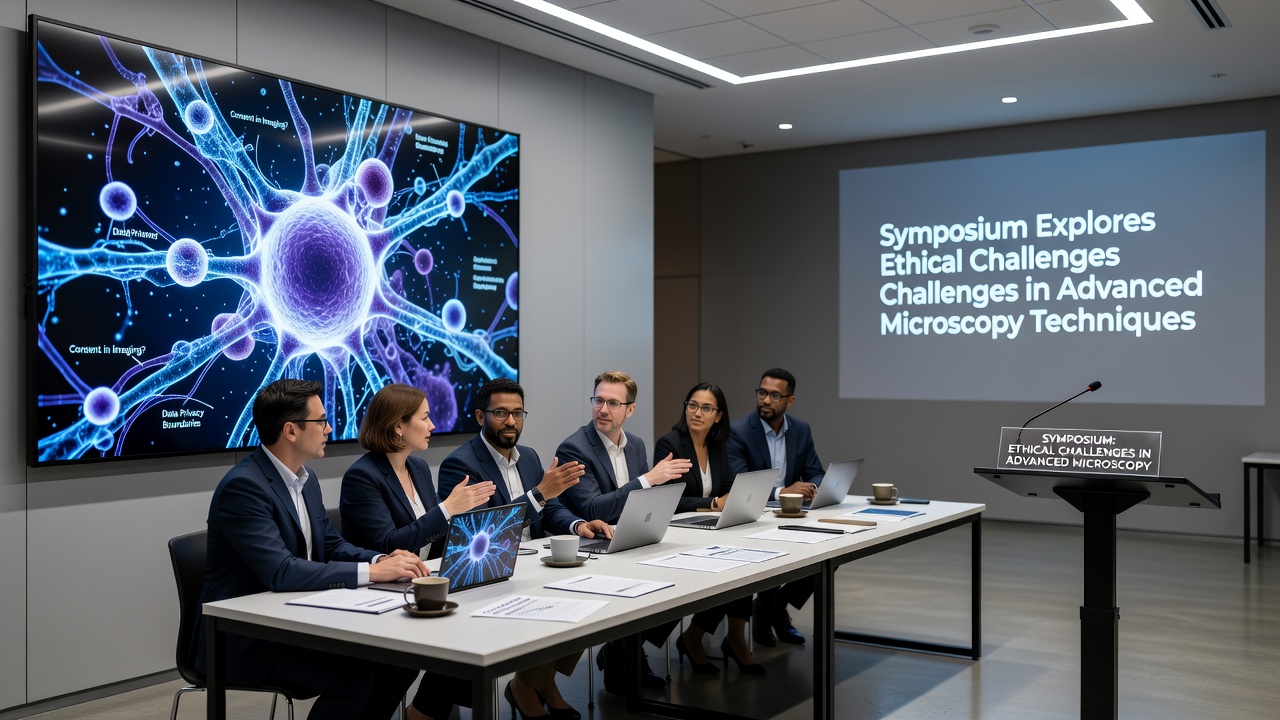
Events scheduled for October 2026 bring together specialists from multiple continents to examine the ethical dimensions surrounding high-resolution imaging technologies that capture cellular structures at unprecedented detail, and these gatherings highlight how techniques such as super-resolution fluorescence microscopy along with cryo-electron tomography raise questions about data handling, consent protocols, and equitable resource distribution across global research networks.
Organizers note that sessions will cover topics including ownership of high-dimensional image datasets derived from human tissue samples, potential secondary uses of imaging data in commercial applications, and the environmental footprint of energy-intensive equipment required for maintaining sub-nanometer resolution during extended observation periods, while panel discussions draw on case studies from European, North American, and Asia-Pacific laboratories that have already implemented revised review procedures for imaging projects involving sensitive biological materials.
Core Ethical Questions in Modern Imaging
Advanced microscopy methods generate terabytes of visual information per experiment, which creates new requirements for secure storage infrastructure and clear guidelines on who controls access to raw files after publication, and researchers point to instances where imaging data from plant and animal models inadvertently revealed proprietary genetic modifications that later became subject to intellectual property disputes between collaborating institutions. Ethical review boards now routinely evaluate whether proposed microscopy workflows include provisions for anonymizing spatial coordinates that could otherwise allow reconstruction of donor identities even when traditional metadata fields have been stripped.
One recurring theme centers on informed consent processes that must account for future analytical techniques not yet invented at the time samples are collected, since machine-learning algorithms applied to archived image stacks can extract quantitative measurements far beyond the original experimental scope, and regulatory frameworks from bodies such as the European Commission Directorate-General for Research and Innovation already require explicit language addressing potential downstream computational uses.
Global Perspectives and Regulatory Developments
Delegates from Australia and Canada will present comparative analyses of national guidelines that differ in their treatment of open-access mandates for microscopy datasets, whereas institutions in the United States emphasize institutional review board oversight focused on minimizing re-identification risks when imaging data intersects with genomic repositories. A dedicated workshop will examine how low-resource laboratories can participate in multi-site studies without bearing disproportionate costs for compliance software or specialized training, and preliminary reports indicate that shared cloud platforms with tiered permission structures have reduced barriers while maintaining audit trails required by funding agencies.
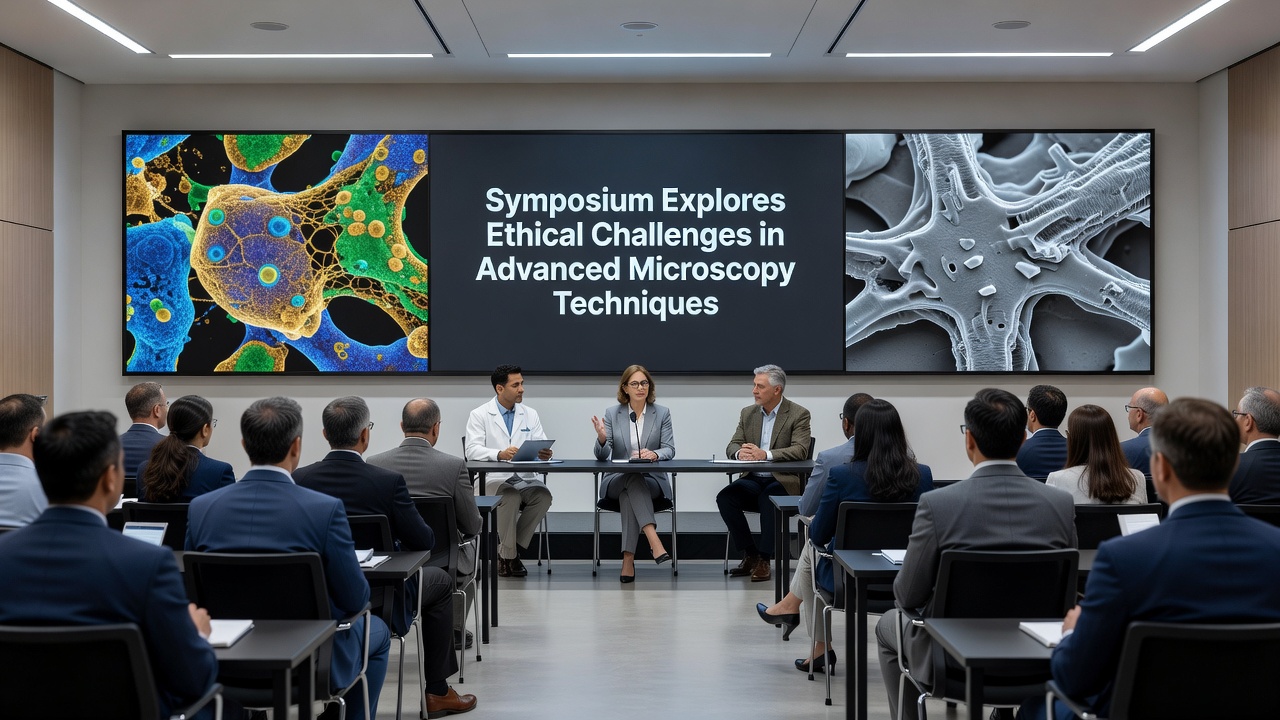
Case examples shared during the program illustrate situations where high-resolution time-lapse sequences captured unexpected cellular responses that later proved relevant to pharmaceutical development, prompting questions about benefit-sharing agreements between academic centers and industry partners, and attendees will review templates for data-use agreements that specify royalty distributions when imaging-derived insights lead to patented compounds.
Training and Implementation Strategies
Practical modules scheduled throughout the week focus on integrating ethics checkpoints into existing laboratory information management systems, and participants will test interactive checklists designed to flag projects that require additional consultation with community advisory panels when imaging involves indigenous plant species or culturally significant biological resources. Training materials distributed at the event incorporate examples from recent publications that document how subtle changes in illumination parameters can alter perceived morphological features, thereby influencing downstream interpretations that affect clinical translation decisions.
Breakout groups will explore scenarios involving dual-use research where microscopy findings could inform both therapeutic advances and potential biosecurity concerns, and facilitators emphasize documentation practices that allow traceability without impeding scientific progress, while representatives from the National Institutes of Health Office of Science Policy contribute frameworks already adopted in several U.S. consortia.
Conclusion
Outcomes from the October 2026 symposium are expected to inform updates to international standards for responsible conduct in bioimaging research, and follow-up working groups will continue refining recommendations that balance innovation incentives with protections for research subjects, data contributors, and the broader scientific community. The event underscores how technical capabilities in microscopy continue to outpace existing governance structures, creating an ongoing need for cross-disciplinary dialogue that incorporates perspectives from ethicists, engineers, policymakers, and practicing microscopists alike.