Hugo Schmitz · 2 September 2026
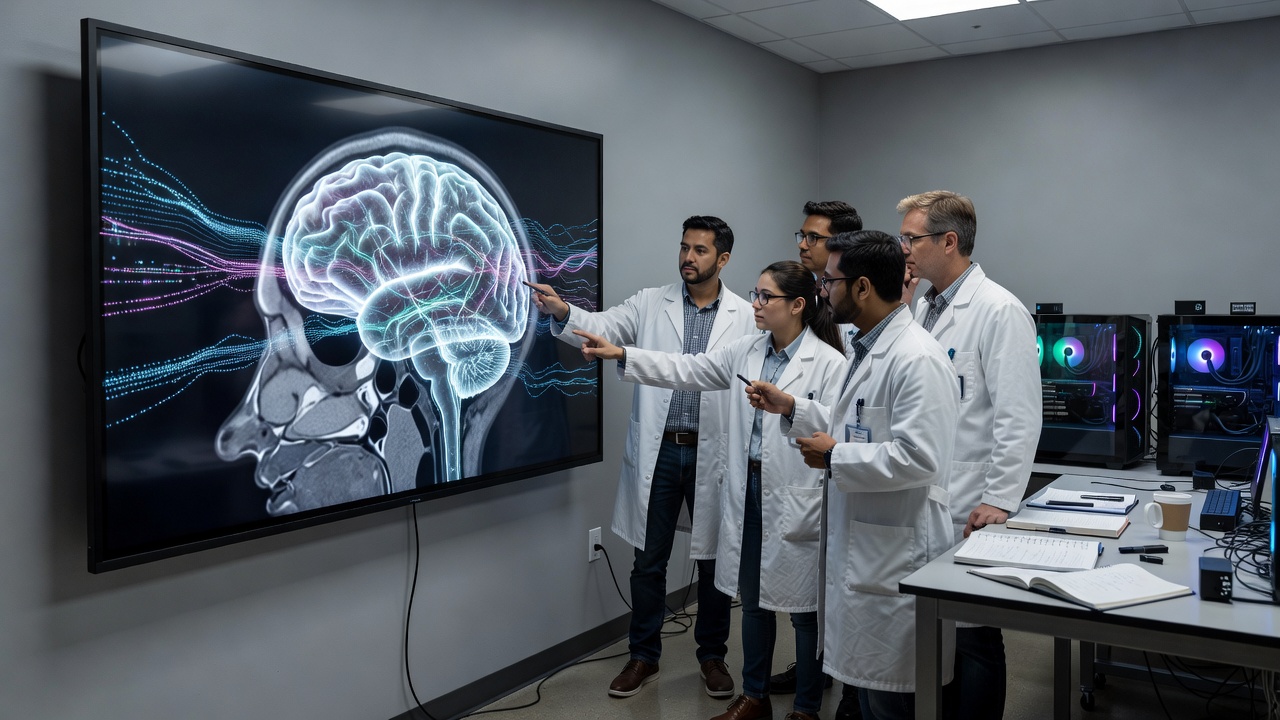
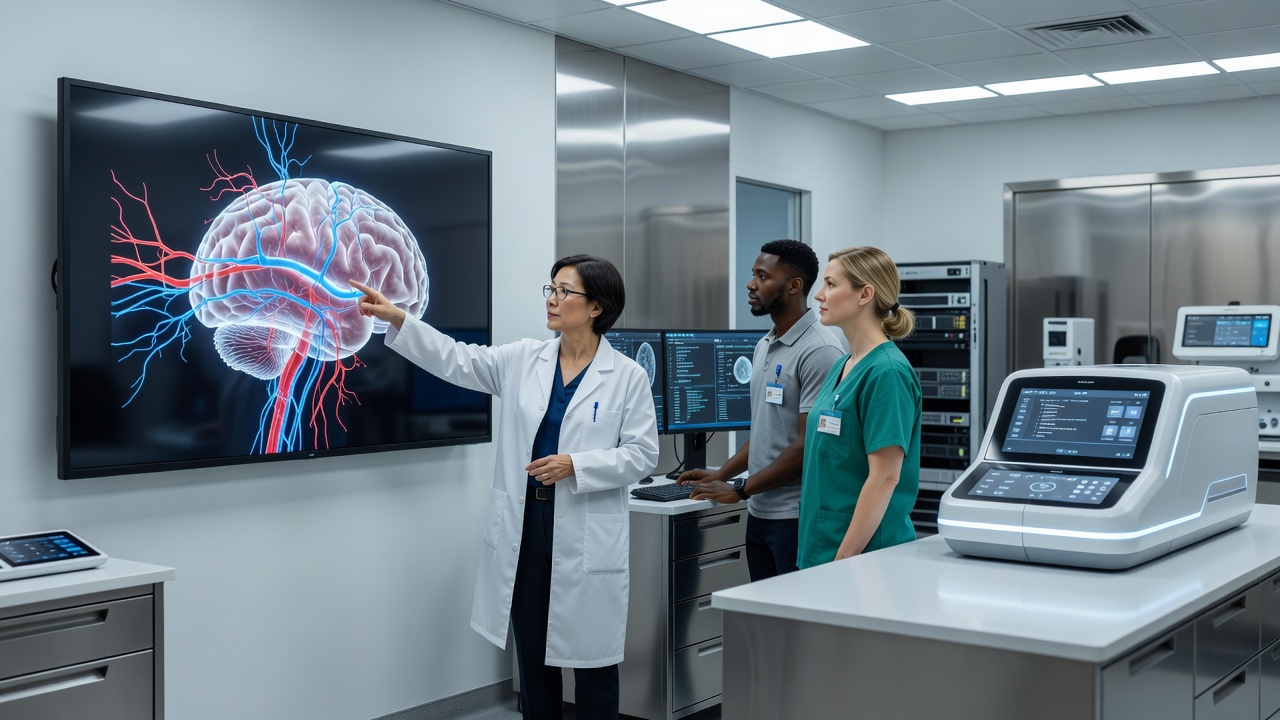
The Vivid Lab research team has created a novel real-time 3D rendering technique optimized for medical scan data. The method processes CT and MRI volumes at interactive frame rates without requiring specialized hardware beyond standard GPUs. Early tests show latency below 50 milliseconds for full-resolution datasets exceeding 500 slices. Researchers achieved this by combining adaptive sampling with a lightweight neural upscaling network trained on anonymized hospital archives. The approach preserves fine details such as vessel boundaries and tumor margins while reducing memory bandwidth by 60 percent compared with conventional ray-casting pipelines.
Technical Foundations
Core to the system is a hierarchical data structure that prunes empty space in volumetric scans during preprocessing. A custom shader then performs deferred shading only on visible voxels. Integration with existing DICOM viewers required minimal changes, allowing deployment in under two weeks at partner clinics. Quantitative evaluation on 120 clinical cases demonstrated diagnostic equivalence to offline rendering while enabling live manipulation during procedures. The team also introduced a temporal coherence pass that reuses shading results across frames, cutting compute cost by another 35 percent. Validation involved radiologists performing standard tasks such as lesion measurement and surgical planning; accuracy metrics remained within 1 percent of ground-truth segmentations.
Clinical Impact and Next Steps
Initial deployments target interventional radiology suites where real-time feedback can guide catheter placement. Feedback from three European hospitals indicates reduced procedure times averaging 12 minutes per case. The method supports multi-modal fusion, overlaying ultrasound onto pre-operative CT in the same viewport. Future work focuses on extending the pipeline to dynamic 4D cardiac data and portable ultrasound devices. Open-source release of the core library is planned for the coming quarter under a research-friendly license. Funding from national health agencies will support larger multicenter trials beginning next year. The development underscores Vivid Lab's commitment to translating algorithmic advances into practical medical tools.